

Did you know that revenue in the food market amounts to over $833B in 2024? This number is also expected to grow by 4.05% annually.
If you’ve ever wondered how to start a food business, you’ve come to the right place! Starting a food business can be exciting yet challenging.
James Louie, owner of one of the oldest restaurants in the United States, told us:
We interviewed 20 entrepreneurs in the food industry. We’ll be sharing their strategies and tips to help you build a successful business. From knowing how to secure financing to becoming an expert on FDA requirements, you’ll have all the tools you need to get started.
Read our tips from start to finish or click any of the links to jump straight to the section that interests you most.
Food Business Ideas
Exploring food business ideas opens up a world of various possibilities within the industry. Discovering and developing the right food business idea can turn your passion for food into a thriving and fulfilling venture.
Take a look at some of these popular ideas to help you brainstorm what kind of food business you’d like to start:
- Food truck
- Food stand
- Food cart
- Cottage food business
- Bakery
- Ice cream shop
- Personal chef
- Meal kits
- Coffee shop
- Catering
- Vending machines
- Chocolate-making
- Sauce production
- Farmers market
- Grocery store
Learn About Food Businesses
Even if you already have a few different food business ideas brewing, take a more detailed look at popular types and their cost breakdowns. You may be surprised to find yourself leaning toward one food business idea more than the others.
How much does it cost to start a food business?

The cost to start a food business isn’t always straightforward. There are several variables that come into play when considering both structure and the type of food you plan to offer. Whether it’s a small restaurant or a food truck, costs to operate will look very different when compared with each other.
Let’s take a moment to break down the diverse costs of various business ideas.
Home Catering Business
Starting a catering company isn’t quite as expensive as other food businesses. In fact, the average startup costs are $15K. While the type of catering you choose to do can swing the costs up or down, most food businesses will need to take these upfront expenses into consideration:
- Food vendor license or permit
- Food safety certifications
- Kitchen equipment
- Initial ingredients
- Marketing
- Insurance
Small Restaurant
Shawn Walchef, owner of CaliBBQ, shared his startup costs while building a restaurant from scratch and turning out $35M in revenue within only 15 years. He explains that initially, his costs were a steep $175K:
Each type of small restaurant will have different average startup costs:
• Diner: $275K
• Fast food restaurant: $550K
• BBQ restaurant: $150K
• Pizza shop: $275K
• Pop-up restaurant: $55K
Wholesale Food Distribution
The costs for wholesale distributors depend on the products you plan to supply. Fruit, for instance, may have a much higher cost based on the weather and location of your business. If you choose to distribute oranges and the crop goes bad due to weather, it could be much more costly in one year versus another.
Another thing to think about is the type and size of facility you may need for your business. In this instance, these are the two main things to consider before moving forward.
Food Truck
The cost to start a food truck can vary based on the type of truck you’ll be using. Many websites also provide a massive range (some totaling to $100K).
In an interview with Saeid Samaiel, founder of Aybla Grill, he breaks down his costs of buying a truck:
For the truck to be fully built out and ready to service customers, the cost is upwards of $18K. When Saeid upgraded to something newer, the cost went up to $28K. If you were to purchase a brand new truck today, this could even reach up to $50K.
If you’re looking to open up your business quickly, it’s recommended from a budget perspective to buy used because the truck is already decked out and ready to go.
Which food business is most profitable?

Believe it or not, the most profitable business in the food industry is honey production. Their profit margins are reported to be the highest with the potential to reach 30%.
What makes honey so lucrative? Honey production has the fastest-growing demand due to more customers having a much higher interest in natural products than in previous years.
If you’re not so keen on making honey, these ideas have also proven to have high profit margins:
• Energy drink company: 19%
• Café: 15%
• Juice brand: 11%
• Chocolate shop: 10.5%
• Tea shop: 9.4%
• Food cart: 7.2%
What is the easiest food to sell?
If you’re stumped on what kind of foods to offer your customers, all of the following are known to be tried and true:
- Popcorn
- Nachos
- Pizza
- Chicken sandwiches
- Tacos
- Fried foods
- Pretzels
- Hot dogs
One thing that every food item on this list has in common? There’s always customer demand. While some tend to be more seasonal, don’t let this deter you. Seasonal foods can still be just as (if not more) profitable than other food products.
Do you need FDA approval to sell food?

FDA-approved food and FDA food registration are vital parts of any food-related business. The FDA regulates and requires approval for the following foods:
- Dietary supplements
- Bottled water
- Food additives
- Infant formulas
- Select meat, poultry, and eggs
There are, however, different regulations based on the type of food business you plan on running. This is how to get FDA approval for food in common areas of the food service industry:
- Production facility: This includes assessing the manufacturing process and facility through inspections to ensure business operations comply with requirements.
- Small business: According to the FDA definition, a small business employs fewer than 500 full-time employees.
- At-home business: The FDA and other federal regulations require a food facility registration and compliance with local and state-specific laws.
You will also need to comply with good manufacturing practices to ensure sanitary production, food safety, and quality.
If your food business isn’t physically located within the United States and has no plans to sell or distribute products within the U.S., then the FDA food approval process isn’t required.
Case Study: Wing Central
Jim Rowe is a serial entrepreneur who opened Wing Central. He turned the simplicity of making wings into a rapidly growing success.
At the beginning, he and his wife were only making $30K. Fast forward to 20 years later, and the restaurant alone now brings in nearly $3M in revenue per year. Jim has also expanded his food kingdom with a food truck and coffee shop that collectively generate over $50M in sales.
This isn’t to say things were always running smoothly for Jim. He started his food business while scraping by on odd jobs, and he had no restaurant experience or initial funds to invest. Plus, minimal advertising was used during the process.
So how did he manage such a wildly lucrative change?
Watch his interview to find out:

Now, let’s look at the step-by-step process of how to start your own food business successfully.
How to Start a Food Business
Starting a food business is an exciting venture that blends a passion for food with an entrepreneurial spirit. From dreaming of opening a local café to selling your secret family recipe, the food industry offers endless opportunities for creativity and innovation.
Take a look at the following step-by-step guide to help you put together a comprehensive business structure.
Step #1. Assess your skills
Whether you’re considering a home food business, restaurant startup, or at-home catering business, it’s always important to assess your skills to determine the best match. This can help you build upon what you’re already good at doing and passionate about. Consider it a win-win.
If you’re not sure if your current skill set aligns with what you want to achieve, then take a deep dive to see what’s required before getting started. A simple course might be the only thing between you and your dream business.
Step #2. Create a business plan
Be intentional with each step you take in both starting and running a food business, or any business for that matter. The plan is a detailed counterpart to a business model. It also provides a stable business process flow with guidelines and checklists to ensure you’re completing everything you want to accomplish.
A solid business plan should also cover the following:
- Objectives
- Strategies
- Sales
- Market analysis
- Marketing
- Financial forecasts
- Budget
For more information on preparing to launch your own food company, check out these templates and resources for any business idea you may have brewing in your mind. The best part? They’re all free!
- UpFlip: Business Plan Template or How to Write a Business Plan
- Fit Small Business: One-Page Business Plan
- U.S. Small Business Administration: Business Guide or How to Write a Business Plan
Step #3. Obtain financing

Before marching into a bank and requesting to borrow a lump sum of money, analyze the exact costs that will be required for your business plan.
Ask yourself how much you want to be financially responsible for and consider the costs of your startup and growth. Will you obtain a loan, or do you have money from your personal finances saved for an initial investment?
As Jim learned with Wing Central, today’s world allows us to take many financial routes with different funding options.
Step #4. Identify suppliers
Food suppliers are ultimately going to be some of your most important relationships. They act as a lifeline to keep everything running smoothly. For instance, a main ingredient such as coffee beans is essential for a café to operate.
These food suppliers have been found to be the most reliable across the United States:
- Sysco
- Gordon Food Service
- Performance Food Group
- Cheney Brothers
- Shamrock Foods
Identify a supplier you can rely on and who is cost effective for your monthly financial budget.
Step #5. Invest in equipment
Allocate a good portion of your budget to durable equipment that will last for an extended period of time. High-quality equipment is necessary to ensure you have a strong foundation for reliable food operations from the beginning. A food truck business, for example, will need specific kitchen tools for a proper setup.
Here are a few of the best suppliers to order from regardless of the type of food business you choose to run:
- US Foods
- TriMark
- Webstaurant
- American Food Equipment
- USA Equipment Direct
Purchasing reliable equipment will save time and money in the long run. You won’t need to worry about any of the equipment breaking down quickly and having to replace it.
Step #6. Hire employees

How can you delegate tasks to ensure your time is used effectively? When looking to expand your team, consider which tasks require your personal attention.
For example, you might decide to hire someone to manage the front of your restaurant if you need to focus on your budget and marketing initiatives.
Step #7. Set your pricing
Accurate and fair pricing will allow you to develop healthy business finances. This will help your pursuits become scalable, which is key for all successful businesses.
Let’s discuss how to calculate your prices.
Know the market
Look at your competition to see how they price their products and services. How do you want to compete and position yourself in the market? Will you be the more affordable option, or will you closely resemble other businesses?
Staying informed about your field will allow you to make informed decisions for your customers and yourself.
Calculate your costs
Break down every expected monthly cost to tally up how much you’ll need to break even each month. This will include fixed costs (e.g., set recurring bills) and variable costs (e.g., items and services with fluctuating prices).
Add in your profit
Lastly, add the markup rate. What number will allow you to not only break even in costs but also become profitable? Answering this question will help you determine the best prices to stay competitive and meet your profitability goals.
Step #8. Run marketing campaigns

A marketing plan will help you direct the type of target audience you want to attract as well as the best platforms to reach them.
Ask yourself who your ideal customer is and if your business would work best in front of a mass market or niche market. Then look at different channels where you can craft your marketing messages to potential customers.
Here are the most common marketing options for your food business campaigns:
- Event sponsorships
- Brand endorsements
- Contests/sales promotions
- Product placement across social channels (e.g., TikTok, Instagram, X, etc.)
Step #9. Analyze outcomes
Once your food business has gone live, make sure to monitor the progress you’re making and identify any areas for improvement. In some cases, one simple adjustment can make all the difference in securing higher stability and profits.
Food Business FAQs
How to start a food truck business
Whether you’re starting a food truck business for the first time or looking to reopen, here are the main things to include on your to-do list:
- Apply for a food business license.
- Register the business name.
- Follow local government guidelines.
- Invest in food equipment.
- Secure suppliers.
- Purchase or lease a truck.
- Apply for business insurance.
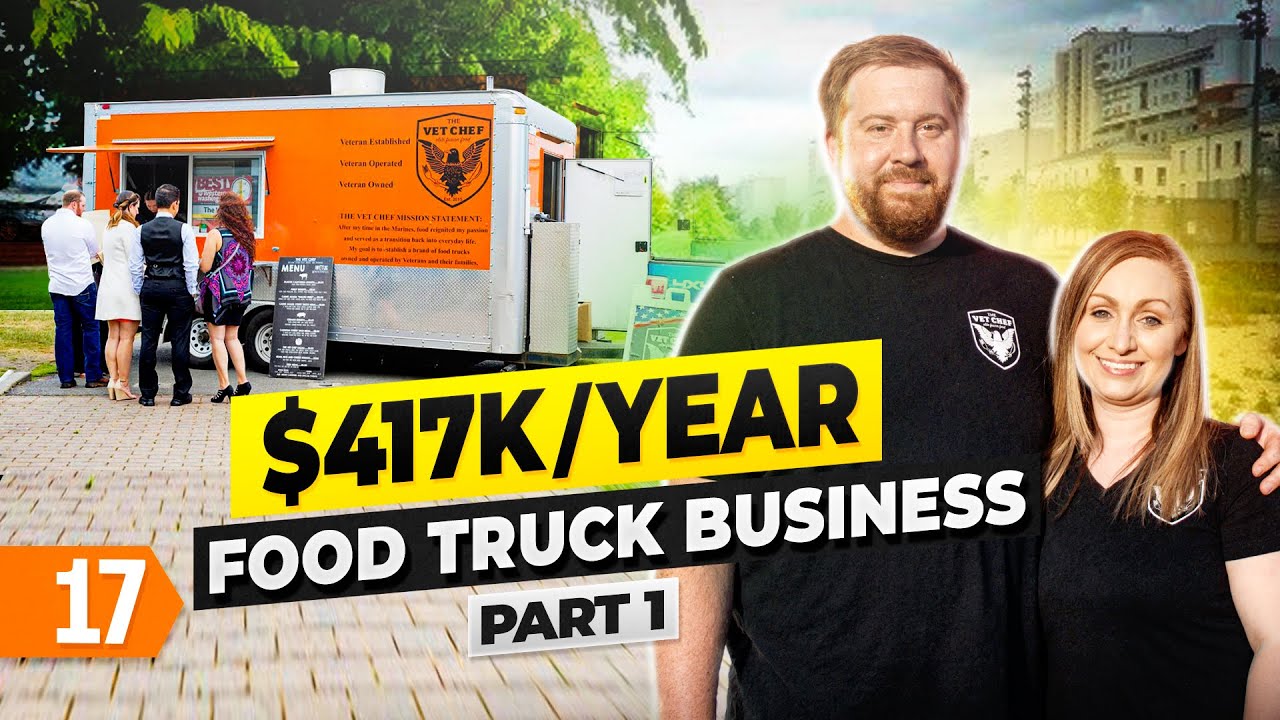
For more tips and strategies, watch how Kyle Gourlie, owner of the Vet Chef, started a food truck business that now earns $417K per year:
How to start a restaurant
Starting a restaurant isn’t an easy process. If you plan to run a food restaurant, there are several factors that need to be put into motion for a successful venture. While not every open restaurant will have the same needs, these are the most common requirements:
- Select a restaurant concept.
- Write up a restaurant business plan.
- Create an opening restaurant checklist.
- Obtain funding.
- Create a menu.
- Find a physical location with a commercial space.
- Plan the restaurant layout.
- Acquire a food handling permit and licenses.
- Take out an insurance policy.
- Invest in restaurant equipment.
- Hire staff.
- Advertise and market the restaurant.
Watch and see how one successful entrepreneur transitioned from a food truck business into a restaurant business.
How do I start a profitable food business?
Starting a food business involves thorough planning and execution. Start small, and don’t get lost in the big picture. For instance, only focus on necessary startup costs in the beginning and worry about any avoidable add-on costs down the line.
Make sure to have a separate business bank account too, so that you can keep everything organized and effectively monitor business finances in one place.
How to start a food business with no money

There are plenty of ways to start a food business with no money. These are some of the more common methods:
- Have a business partner.
- Apply for a business loan.
- Find investors.
- Crowdfund the money.
- Enlist the help of family and friends.
- Look into government programs.
For more inspiration, check out how this baker turned her last $5 into $10M.
Starting a food business checklist
Before you dive headfirst into your food business, you’ll need to create a checklist so that you can monitor and track your progress. No two checklists will look exactly the same.
Ask yourself what you’ll need to get from point A to point B. If you’re selling alcohol, will you need a liquor license or wine license? Will you be in compliance with local jurisdictions and local laws? Anything you’ll need to get running should be added to this list.
How to start a small food business at home
If you’re looking to start a home-based food business, then these are the additional requirements you’ll need to stay compliant with local laws:
- Check local regulations for a home-based food business.
- Obtain necessary permits and a food service license.
- Ensure your kitchen meets health and safety standards for public health.
- Equip your kitchen with essential tools and packaging materials.
How to start an online food business

There are specific steps business owners need to take to effectively cultivate an online presence. Consider these factors in your development:
- Website: A user-friendly site with detailed descriptions and high-quality photos will allow customers to easily navigate. Make sure to also optimize for mobile use so that customers can easily access your site from their phone or tablet.
- Branding: Once you’ve selected your target market, create a strong brand identity with consistent messaging in order for customers to easily identify you.
- Ordering system: Similar to the website, ensure that you have a user-friendly, streamlined ordering system in place to retain customers.
- Inventory management: Keep track of ingredients and supplies to avoid shortages or waste. Invest in compatible software to manage inventory effectively.
- Payment processing: Set up secure online payment options to ensure customer information is safe when making purchases.
By focusing on these key areas, you can establish a successful online business.
How to start an online food business from home
If you plan to start an online food business from home, then it’s crucial to follow these legal requirements in addition to the online food business tips listed above:
- Health and safety regulations: Ensure your kitchen meets local health department standards. This could involve inspections to verify cleanliness, food storage, and preparation practices.
- Cottage food laws: Some regions have cottage food laws that allow limited types of food to be prepared at home and sold directly to consumers. Always check to see if your products qualify.
- Zoning laws: Verify that local zoning laws permit a home-based food business in your area. Some residential zones may have restrictions on commercial activities.
As long as you follow the above recommendations, you shouldn’t run into any hiccups down the line as you’re selling food.
How to start a food business as a student
Can someone start a business while still completing their studies? The short answer is yes. The key to running a full-blown business while having other priorities is time management. By allocating the right resources and time to different areas of the business, it will be able to thrive.
Students should also leverage external help to maintain efficiency. This could entail hiring employees or getting a hand from family and friends.
How to start a food prep business

A food prep business will require many of the same tools and processes to get started. Here are additional steps to take that are specific to food prep:
- Establish relationships with suppliers.
- Purchase proper packaging materials.
- Secure access to a commercial kitchen.
- Obtain business permits and a food processing license.
- Purchase or rent equipment.
- Develop an inventory management system.
How to start a farm
If you’re dreaming of starting a farm, there are entirely different steps you’ll need to take that are distinct from other food businesses. In many cases you may not be working directly with consumers. Instead, you could be considered a distribution business and work with other companies to sell wholesale foods, including livestock, vegetables, fruits, grains, etc.
Follow these steps to begin:
- Purchase or lease appropriate land.
- Acquire farm insurance.
- Invest in farming equipment.
- Test soil for nutrient content.
- Invest in irrigation systems and water conservation.
- Source seeds and livestock.
- Source fertilizers and pesticides.
- Rotate crops and diversify.
For an even more detailed insight in the farming business, take a look to see how this entrepreneur made a profit growing mushrooms.
Ready to start your own food business?
Starting your own food business requires careful planning, compliance with regulations, and effective marketing. With dedication and strategic execution, you can open a restaurant, operate food stands, start a delivery business, grow a home catering business, and more.