Opening a laundromat is a complex process, and it can take years to start earning a passive income if you’re starting from scratch, but have you considered how to buy a laundromat?
We talked to the Laundromat Millionaire, Dave Menz, who owns four laundromats and makes nearly $2 million annually. He even helps other business owners navigate the industry to get more customers, become a full-service laundromat, and outshine absentee owners.
Dave shared expert insights about how to purchase a laundromat and what to consider while buying a laundromat. We also answer essential questions like How much does a laundromat cost to buy? to help you learn more about the industry.
Keep reading or click on any of the links below to jump straight to the section that interests you:
- Learn About the Laundromat Industry
- Case Study: Dave Menz, the Laundromat Millionaire
- How to Buy a Laundromat Business
- Step #1. Conduct Market Research
- Step #2. Find Profitable Laundromat Locations
- Step #3. Contact a Business Broker
- Step #4. Evaluate Current Laundry Services
- Step #5. Evaluate the Existing Laundromat Finances
- Step #6. Perform Due Diligence
- Step #7. Make an Offer
- Step #8. Negotiate Terms
- Step #9. Finalize the Purchase
- How to Buy an Existing Laundromat With No Money
- Join the Ranks of Laundromat Owners
Learn About the Laundromat Industry
First, let’s answer a few key questions about the laundry businesses and the larger laundromat industry.
Is buying an existing laundromat a good investment?
Yes, buying an existing laundromat is often less costly than starting a new one from scratch. When you open a new laundromat, you need to get the proper building permits, build the laundromat, get inspections, order new equipment, and open the laundromat.
How much does it cost to buy a laundromat?
According to BizBuySell, you can expect to spend between $18K and $30M when you buy an existing laundromat. The price differences are based on location, whether real estate is included, cash flow, and other factors.
In many cases, you’ll spend much less taking over laundromat business operations for an existing laundromat. A new laundromat can cost $350K and take nine months to build.
How profitable is owning a laundromat?
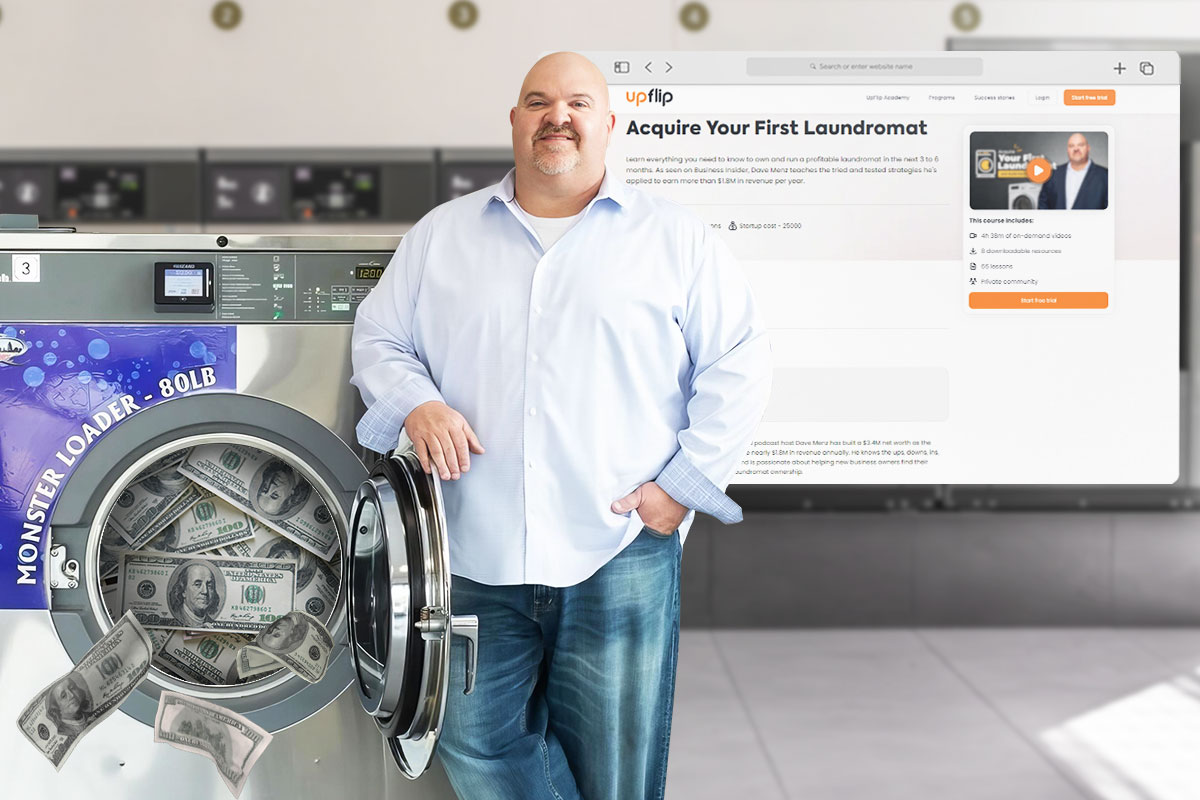
According to the business ideas database in the UpFlip Academy, the laundromat industry generates $6.6 billion annually and has an average profit margin of 22.2%. The average laundromat makes $330K and is expected to grow at 0.2% annually.
Case Study: Dave Menz, the Laundromat Millionaire

Dave Menz grew up lower middle class and started working at a telephone company, but he soon wanted more out of life. He started looking for businesses and decided to buy a laundromat.
He ran the laundromat on his days off and improved the business model by adding other services and amenities. As his profitable business grew, he decided to buy a second laundromat.
Today, he owns four laundromats, earns $1.8 million annually, and has a net worth of over $3.8 million. Check out our interview with Dave below:

He’s become so successful as a laundromat owner that people know him as the Laundromat Millionaire.
 |
Your Blueprint to Buying a $1.8M Laundromat Business! |
| Dave knows what it takes to buy and run profitable laundromats—and he’s sharing his exact blueprint with YOU. Learn how to find the best locations, secure financing, and evaluate deals that guarantee maximum profitability. With Dave’s step-by-step training, you’ll gain the confidence to buy your first laundromat and build a profitable business in only three to six months. | |
| Join the UpFlip Academy! | |
How to Buy a Laundromat Business
Buying a laundromat is similar to starting a laundromat, but it follows a slightly different (and, in many ways, more straightforward) process. Expect to follow the steps below if you’re working out how to buy a laundromat:
- Conduct market research.
- Find profitable laundromat locations.
- Contact a business broker.
- Evaluate current laundry services.
- Evaluate the existing laundromat finances.
- Perform due diligence.
- Make an offer.
- Negotiate terms.
- Finalize the purchase.
Step #1. Conduct Market Research
The first thing you’ll want to do is perform market analysis. This step helps you understand whether a laundry business is right for you and which locations are most likely to bring financial success. You’ll want to:
- Analyze local demographics: Your local market can vary from low-income households without a washing machine and dryer to high-income households that prefer to drop off their laundry before work and pick it up after. You can use census.gov to analyze local markets.
- Evaluate consumer behavior: Learn more about the area’s customer base. Maybe they need laundromats open more hours of the day, want to pay with a card, or need wash and fold services. There will probably be different customer issues for different parts of your customer base.
- Assess existing laundromats: Research what local laundromats there are by searching “laundromats near my location.” Think about the age of the laundromat, its services, hours of operations, pricing, and proximity to other facilities.
- Study market trends: Research trends in laundry services. Consider joining UpFlip Academy, coinlaundry.org, and Facebook groups that will allow you to network with and learn from other laundromat owners.
This information will help you consider potential locations and make a better decision when purchasing a laundromat.
Step #2. Find Profitable Laundromat Locations
When you’re looking to buy a laundromat, there’s a lot you’ll want to consider about each location. Some of the ways to find potential locations include:
- Performing a Google search: You can buy a laundromat business even if it’s not for sale. You just have to search for laundromats, document their addresses, create a personalized letter, and contact the laundromat owners.
- Looking on business listing websites: Making a laundromat purchase is much easier if the laundromat owner is already looking to sell. Dave found his first laundromat business on Craigslist.
- Visiting locations: Visit each laundromat business to learn more about the shopping centers they’re commonly situated in, the condition of the machines, and the customers. Mondays, Wednesdays, and Fridays are good days to catch the owner at a laundromat.
You can also work with distributors to see if they have any recommendations. Dave explained:
Step #3. Contact a Business Broker
If you’re already saying, “I want to buy a laundromat,” you’ll probably want to work with a business broker. You can either hire someone who knows how to buy a laundromat or reach out to someone who represents an existing laundromat business. Dave warns:
You’ll need someone with legal experience buying businesses to ensure you get the best price. Don’t try to do it on your own until you know how to buy a laundromat and have gone through the process multiple times.
Step #4. Evaluate Current Laundry Services

You’ll need to evaluate the property before you consider buying the business. You’ll want to consider factors like:
- Lease or own: A business that owns real estate and buildings has more assets than one that leases, but that also means more risks and liabilities.
- Machines: You’ll want to know the age, size, and condition of each of the machines on the property. These machines are how you’ll make most of your money. Brand-new machines are way more valuable than old, rundown models.
- Building: Consider the condition of the building and the other stores or small businesses nearby.
- Location: You want a safe location that’s convenient for foot traffic and cars. If the city has buses, being near a bus stop is good too.
- Amenities: A profitable laundromat will often have more than just laundry services. They might have vending machines, a play area, folding tables, and an after-hours drop box.
Step #5. Evaluate the Existing Laundromat Finances
To establish the purchase price, you’ll want to understand the laundromat finances. The best way to do this is to look at profit and loss statements. You’ll want to understand:
- Revenue: How much money the laundromat makes
- Gross income: How much the company makes after the direct cost of serving customers (may also be displayed as gross profit margins)
- Operating income: Earnings after operating expenses like rent, utility costs, and insurance
- Net income: The profit after all expenses and taxes
- Cash flow: Shows whether a company is bringing in more money than it’s spending
Cash flow is often considered the most important financial indicator. If your stockpile of cash is decreasing, you’ll have to find a source of funds to inject into the business.
Collectively, these metrics will be used to value the business. If you’re buying a laundromat but you’re not proficient at reading financial statements, make sure that you have someone who can read them on your side.
Step #6. Perform Due Diligence
Due diligence means verifying that all claims made by the current business owner are factual. You’ll want to verify at least the following:
- All financial claims
- Business structure, documents, and services
- Vendor, bank, employee, and investor contracts
- Customer information, policies, and contracts
- Lawsuits
- HR and employee documentation
- Physical assets
- Intellectual property
Pro Tip: Download our due diligence checklist.
During this process you might want to check and see whether Simply Business can find you better deals on business insurance.
Step #7. Make an Offer
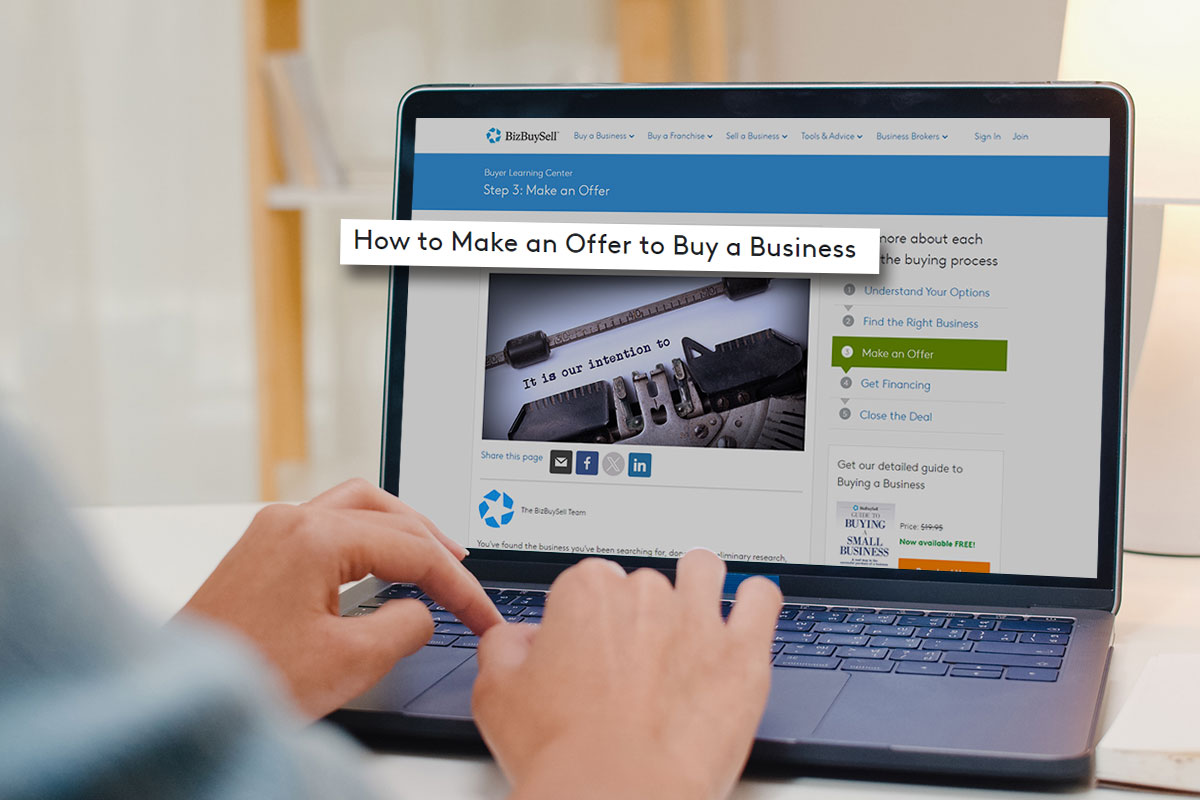
Once you’ve evaluated the property and financials and performed due diligence, you’ll want to place an offer. Dave told us:
Some of the things you’ll want to include in an offer are:
- A good faith refundable deposit of $1,000 or more
- Purchase price
- Exact amount of down payment
- Balance due
- Interest rate
- Amount and duration of monthly payments
- First payment date (typically a certain number of days after closing)
You’ll also want to include terms and conditions such as:
- The business must pass due diligence.
- All financials are provided by the seller.
- Lease terms and conditions must be acceptable to the buyer.
- All equipment must be fully operational when closing the sale.
- Sellable inventory will be at or above the average level of inventory for the last year.
- The offer is contingent on acceptable terms for financing for the buyer.
- Buyer and seller agree on a noncompete agreement. (Note that these may no longer hold up in court. Seek legal counsel as needed and plan accordingly.)
- Buyer and seller agree on a training and transition period.
This first offer is just the starting point, so you should offer less than you’re prepared to pay and lay out terms that are highly favorable to you. That way you have room to negotiate.
Pro Tip: Learn more about making an offer. Dave goes even deeper into detail about how to buy a laundromat and negotiate effectively in his UpFlip Academy course.
Step #8. Negotiate Terms
After you submit an offer to buy a laundromat, many sellers will review the financial situation to decide whether they want to accept, reject, or counter the offer.
Many offers include seller financing. When buying a laundromat with seller financing, you can normally get your way on the price or the business loan terms, but it’s rare to get your way on both.
Make sure you’re being reasonable, and leave enough room after gross revenue to pay all the actual bills. Otherwise, you may default on the agreement, and ownership will return to the previous owner.
Step #9. Finalize the Purchase
Once you’ve come to an agreement, you’ll finalize the deal. This means you’ll:
- Transfer the business registration and business name to your name
- Take over lease agreements
- Transfer business insurance
- Pay the seller
- Begin any loan payments
- Start the training and transition period
- Add your name to the business bank account and remove the previous owner
- Change the responsible party with all vendors
- Communicate a change of ownership to customers
You’ll need some money down even if you’re doing seller financing. We suggest applying for a loan on Borrow Nation.
Once you’re done buying a laundromat, you’ll have a new income stream. Start following your business plan right away to ensure your laundromat becomes a good investment.
How to Buy an Existing Laundromat With No Money

If you’re wondering how to buy a laundromat with no money, there are numerous financing options to consider, including:
- Equipment financing
- Cash flow loans
- Seller financing
Equipment Financing
You can use equipment, a building, and real estate (if you own them) to secure the funds for buying a laundromat. These bank loans are some of the easier ones to get because they’re secured by assets that have a monetary value.
National Business Capital makes it easy to get equipment loans as long as you have a FICO score over 600. You can qualify for up to $75K from the online lender for starting a laundromat business. If you need more than $75K, you’ll need proof of $120K+ annual revenue and six months in business.
Pro Tip: Need to learn more financing? Check out our blog about building business credit.
Revenue or Cash Flow Loans
These loans are based on your business earnings. You’re selling a percentage of your actual income until the loan is paid off. These can help when buying a laundromat because the business already has revenue coming in.
Find out more about revenue-based financing.
Seller Financing
A new owner can get a private loan from the current owner by negotiating a contract that involves the selling price, loan duration, and interest rate. Offering the business owner a longer loan duration and a higher interest rate can often decrease the monthly cost of purchasing a laundromat.
Still considering your options? Learn more about buying a business with no money.
Join the Ranks of Laundromat Owners
Buying a laundromat business can be an extremely rewarding venture. In this step-by-step guide, we answered key questions like How profitable are laundromats? and explained how to buy a laundromat.
We also introduced some of the ways to go about buying a laundromat without money. Are you considering buying a laundromat? What parts of the laundry industry are you still struggling to understand?