Growing a podcast means different things to each of us. Are you wanting to learn how to grow a podcast audience, reliable revenue, or another part of your podcasting business?
Below, we’ll share 35 strategies for growing a podcast. We’ll give you tips for navigating every part of the podcasting process. We start with the planning phase then progress through the recording, editing, distribution, and audience-building phases. Finally, we dive into growing and monetizing a podcast.
Once you’re done, you’ll have plenty of ideas for leveling up your podcast.
- What makes a successful podcast?
- How to plan a podcast growth strategy
- Check out the UpFlip Podcast on Apple Podcasts
- How to grow your podcast while recording
- How to build a podcast in editing
- How to build a podcast audience during distribution
- How to market your podcast
- How to grow a podcast fast
- How to grow your podcast listeners
- Keep learning how to grow a podcast
Get ready to learn how to grow your podcast.
What makes a successful podcast?

You’ll want to understand podcasting best practices to increase your podcast’s listenership. To grow your podcast audience, make sure you:
- Start with an original podcast idea: Podcast creators provide their listeners value by entertaining them, educating them, or both. You’ll need to find a way to do one or both of these to have a chance of growing a podcast.
- Plan your episodes: Every episode should have a specific purpose. Plan it out and make sure you provide lots of value.
- Interact with listeners: The more you interact with your listeners, the more personal it feels. Do Q&As and make it easy for people to interact with you in multiple ways.
- Tell a story: People love a good story. Whether it’s inspirational, sad, or full of murder doesn’t matter. Just look at the top 50 podcasts to see the types of stories people tell.
- Be consistent: Post at the same time and date each week so your podcast audience knows when to expect your content. Try to keep the format the same across podcast episodes. If you want to try something new, consider starting another series.
- Get an engaging host: Unlike video, podcasts only have sound, which means you need an enthusiastic host with a pleasant voice.
- Invite fun guests: Podcast listeners enjoy hearing from more than one person in the podcast. Bring on people who can tell a good story about your subject matter.
- Invest in podcast recording software: Your podcast quality matters. Invest in recording and editing software to make your podcast more appealing.
- Use search engine optimization (SEO): Podcast SEO focuses on providing information that will cause your podcast to appear in search engine results.
- Provide a clear call to action: For your podcast to become successful, you’ll eventually have to monetize your audience. That means you must get comfortable asking them to do what you want—from interacting on social platforms to purchasing product.
Ultimately, there are nine stages you go through when you create a new podcast episode or channel:
- Planning
- Recording
- Editing
- Distributing
- Marketing
- Monitoring
- Growing
- Monetizing
- Optimizing
We’ll look at ways to encourage growth during each of these phases.
How to plan a podcast growth strategy
This section will focus on defining your podcast and preparing it for growth.
#1. Set goals and define metrics to measure your success
First, you want to decide how to define growth and the success of your growth initiatives. Some common podcast growth initiatives include:
- New listeners: You might measure these by downloads, number of listeners, or listening hours.
- Data collection: You might measure growth by the number of email addresses you have collected. Every email address you have allows you to increase interactions.
- Revenue: You might want to focus on revenue growth once you’ve increased your listeners.
#2. Research your podcast audience

You’ll want to learn as much as you can about your target audience.
You can figure out where to find potential listeners by checking how many people are following competitors on different social media platforms.
You can also use analytics tools to establish ideal listener information, including:
- Demographics
- The most common time for your target audience to listen
- Locale
#3. Target your specific audience
Detail who your potential listeners are and are not. Understanding who won’t be interested lets you exclude specific groups from your ads and targeting. It also helps you focus your messaging.
#4. Choose a great podcast name

A podcast needs a great business name. We’ve written plenty on choosing a business name here.
#5. Decide where you want to publish your podcast episodes
You’ll probably want to add the audio file you create for each episode to all the podcast directories and podcast apps to grow your podcast. You’ll want to hit the big ones, like:
- Google Podcasts
- Apple Podcasts
- Spotify
- YouTube
- SoundCloud
The most extensive list includes 41 other podcast websites and directories, too.
#6. Choose your podcast software
There is software to help you grow your business through every step of the podcasting process. It’s your job as a podcast creator to figure out which options meet your plan the best.
Research podcast recording and distribution software before you record, and check back for our blog on the 12 best podcast platforms (coming soon!) when you’re ready to start distributing.
#7. Create a podcast website

You’ll want to create a podcast website for your podcast community. You can host your podcast’s RSS feed on it, as well as show notes, a blog, merch or partner stores, and more. Your website can help you increase the number of ways your podcast appears in search results.
For example, the first 28 results when we search “UpFlip podcast” are all related to our site. That makes it much easier for people to learn more about us, and you can benefit from leveraging similar strategies—from having an interactive homepage to maintaining a blog related to your podcast topic.
Check out the UpFlip Podcast on Apple Podcasts
As one of the top 100 podcasts on entrepreneurship, we are always looking to deliver more value to our listeners. If you love the blogs and our YouTube channel, check out The UpFlip Podcast, too.
How to grow your podcast while recording
Some of the ways to grow a podcast happen while you’re actually recording. There are several key things you can do to provide the best quality recordings.
#8. Be prepared
When unprepared, you are likelier to overuse filler words like “um” and have pauses that will leave your listener wondering what’s going on. You might also find yourself “winging it,” which is less than ideal when it comes to establishing authority and subject matter expertise. Create an outline of what you want to discuss before recording a new episode.
Good news: You can also splice audio in editing, so it’s unnecessary to record the whole episode without stopping.
#9. Invite guests

Inviting a podcast guest onto your show is a great way to keep the show exciting and help the host and guest get exposure to new listeners. You can use platforms like PodcastGuests.com to search for guests by subject matter.
#10. Use separate channels for each person (and sound effects)
Podcast content can be hard to listen to when it’s recorded using low-grade equipment.
You’ll want separate microphones for everyone, a mixing channel for sound effects and music, and another mixer channel if you allow listener interaction while recording. That means you need at least four channels and possibly as many as 12 on your mixer.
#11. Record your call to action or offer
You’ll want to separately record your call to action, promotions, and contests. That way, you can easily share it on social media and input it in a couple of places throughout the podcast.
You might also want to record a couple of variations of your intro.
How to build a podcast in editing

Your podcast audience won’t hear your new episode before editing unless you live stream. That means you have the perfect opportunity to improve the podcast with editing software.
You should consider some of the following options to help grow your podcast during editing.
#12. Pull audio clips to share on social media
Target clips you found impactful and save them as separate files. You can use these as teasers on social media or combine this idea with the next one to help grow your podcast with reels and shorts.
#13. Add a video file
A YouTube channel is a great way to find podcast listeners. While YouTube offers podcast services, a YouTube video will get more views. You can create shorts (under 30 seconds) or long-form video that goes with your podcasts.
Once you have enough followers, you’ll get a share of ad revenue and other monetization features. Learn more about YouTube channels here.
#14. Include time for ad space
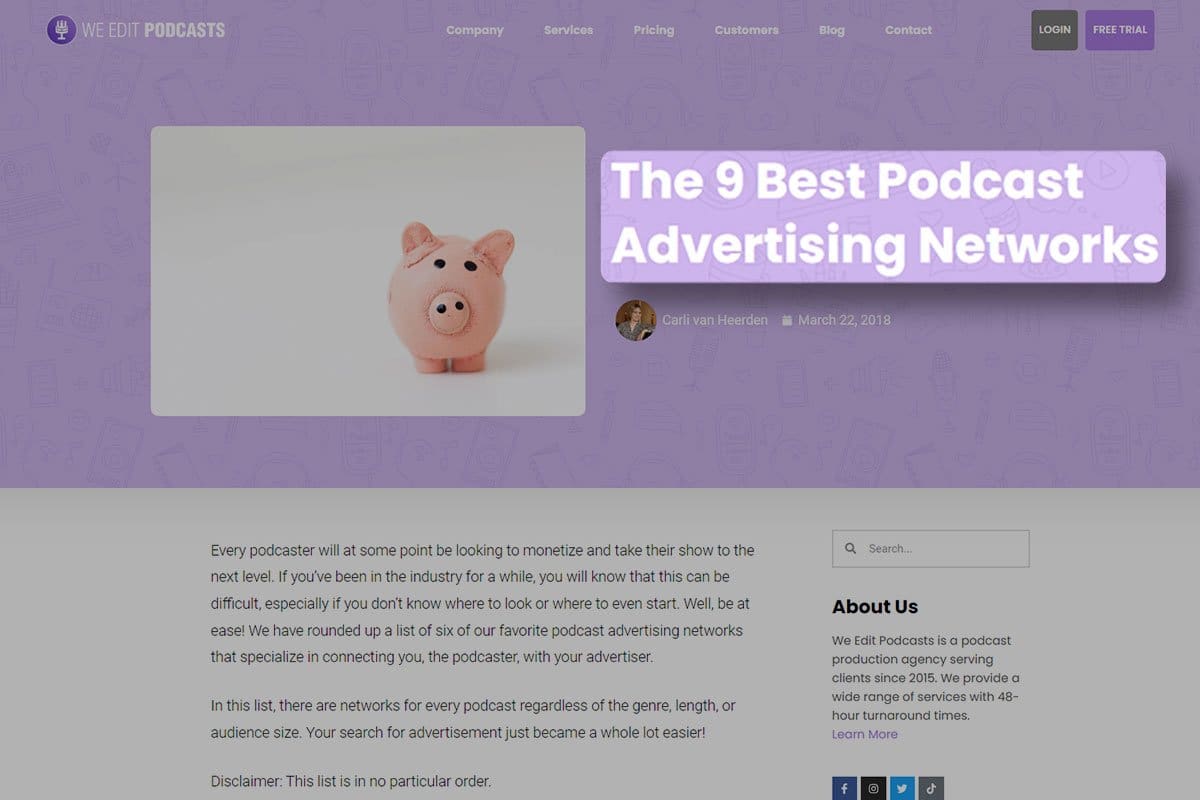
Many podcasts include space for advertisers. You can find your own or work with one of the best podcast advertising networks. Either way, you’ll want to pinpoint where you’ll include ads during the editing process so they fit in naturally.
#15. Remove distractions
It’s hard to grow your podcast audience if you have distractions in your podcast. Remove long periods of silence, filler words like “um,” and anything else that doesn’t keep the audience engaged.
#16. Balance channels for optimal levels of sound
If you’ve ever listened to a podcast or TV show where the sound levels jump all over the place, you know it’s super annoying. You should aim to keep the audio at -16 Loudness Units Relative To Full Scale (LUFS) for Apple Podcasts and -14 LUFS for Spotify Podcasts.
Go with these standards and your volume shouldn’t be disturbingly high or low compared to other podcasters.
How to build a podcast audience during distribution

This section is all about how to get your podcast out there. There are a variety of strategies you can use to grow your podcast while you distribute it.
#17. Create a trailer and teaser videos
People love sneak peeks! As a podcast maker, you should use a podcast trailer to grow podcast downloads and listens. Podcastle has a blog about podcasting best practices for trailers.
#18. Share to all podcast distribution channels
Every new episode should be released on as many distribution channels as possible. Depending on your podcast hosting platform and subscription plan, you may have to do this manually or you may opt for automatic distribution.
You absolutely need to be on the following podcast platforms because they make up 76% of U.S. audiences:
- Spotify: 25%
- Apple Podcasts: 20%
- Google Podcasts: 16%
- Pandora: 15%
#19. Share your latest episode on social media
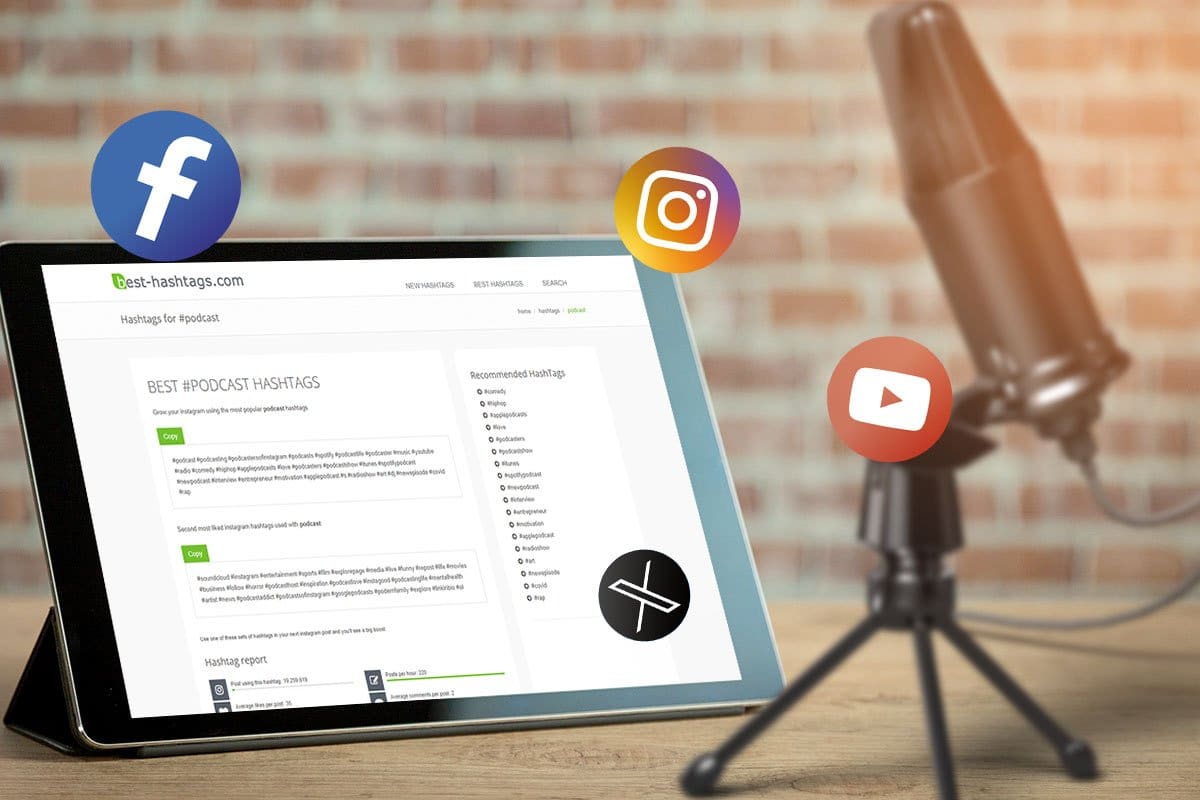
You should have dedicated social media accounts to grow podcast brand awareness. You’ll want to share every episode to your social media channels. In your social media posts, consider using popular growth hashtags to achieve your growth goals.
Pro Tip: If you haven’t used it already, try a tool like best-hashtags.com.
#20. Experiment with overlooked opportunities
Just because most listeners are on the top four platforms doesn’t mean you shouldn’t publish future episodes to other publication sites. It might actually be easier to entice listeners on less-used distribution channels.
For instance, did you know you can add your podcast information for distribution through voice assistants like Alexa?
How to market your podcast
#21. Start a Facebook group
Facebook groups are one of the ways other podcasters interact with their loyal listeners. Many small business owners spend 15 to 30 minutes each day in their Facebook groups interacting with their members.
#22. Run a giveaway
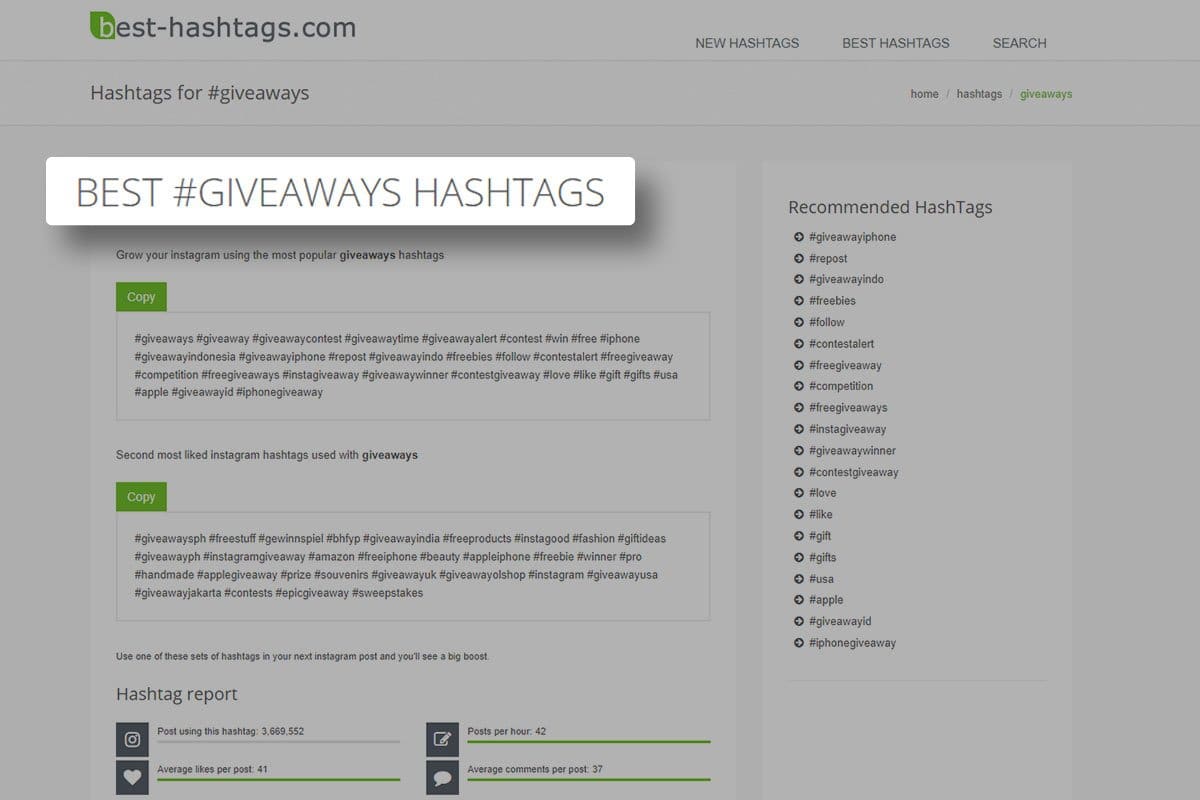
Running a giveaway is a phenomenal way to promote podcast episodes and grow your business. People love free stuff, and you can use giveaway hashtags like:
- #giveaways
- #giveaway
- #competition
- #giveawaytime
- #giveawayalert
- #contest
- #win
- #free
- #repost
- #freebies
- #follow
Giveaways are a great way to collect email addresses that can be used in email marketing campaigns.
Pro Tip: Want to learn more about how to get more podcast listeners with giveaways? Check out this blog post.
#23. Create a blog
Written content like podcast transcripts and show notes will help your podcast website rank higher for SEO. With AI transcription services, it’s easier than ever to create written content and answer podcast-related questions across your entire site.
#24. Cross-promote
When you invite guests on your show from other podcasts, both of you will benefit from someone else’s audience. To maximize this free marketing strategy, both people should share the podcast and tag the other person on social media.
This cross-promotion can work with brands and paid ads, too.
#25. Use email marketing

Email marketing is one of the best ways to promote podcasts. You’ll need a marketing workflow that looks similar to this:
- Collect email addresses with permission.
- Confirm the receiver wants to receive your emails.
- Provide valuable email content.
- Link them back to your podcast.
If you’re wondering how to get podcast listeners to listen more routinely, you can’t go wrong with email marketing.
#26. Attend conferences
Industry conferences are a great way to network with other podcasts and industry professionals. You might get leads for new episode titles or meet a relevant Facebook and Instagram guest to tag during a meet and greet.
#27. Create episode covers
A creative episode cover will attract attention on YouTube channels, an RSS feed, and when people are scrolling through podcasts to find one that interests them.
If you aren’t confident in your own design skills, consider working with a freelance designer who can create great podcast episode covers for you.
How to grow a podcast fast

You have to learn how to advertise a podcast if you want to grow the number of podcast listeners fast. We’ll discuss how to promote your podcast in the following sections.
#28. Buy social media ads
For those wondering how to increase podcast listeners quickly, consider using social media ads to get people to listen to your podcast.
#29. Purchase ad space in podcast apps
A podcast app often allows other podcasts to purchase advertising. Podcast Addict, Castbox, and Spotify Advertising are just some of the ways you can advertise your podcast.
Keep reading for more information about how to grow your podcast.
#30. Monitor podcast listeners

Don’t forget about analytics when considering how to grow a podcast following. Almost every website you’ll use to market your podcast will provide some type of analytics software to use. Some commonly used analytics include:
- Google Analytics: Google Analytics is the industry leader in measuring how to grow your podcast (or any website). It’s not as good at tracking engagement on social media, though.
- Facebook Audience Insights: Meta has so many data points on every person on the planet that they’ve been accused of knowing people better than their spouses. Use Audience Insights to figure out how to market a podcast on social media.
- Podcast Analytics Tools: Almost every podcast platform will provide some form of analytics for an audio medium, but some are better than others. You can also use software like Chartable to measure how ads you sell perform.
The data you collect can show you how to grow a podcast audience by developing better customer profiles. You can use these profiles across social media and other channels to target the listeners most likely to enjoy your podcast trailer and other assets.
How to grow your podcast listeners
If you’ve implemented everything we’ve covered up to this point, you have a good idea of how to start and grow a podcast. There’s still more about how to promote podcast episodes you should try, though.
Consider the following.
#31. Join Facebook groups
Even if you don’t run your own Facebook group, you can still promote your podcast in other groups. Just search for groups that have similar subjects to your podcast. Make sure the rules allow sharing the podcast, and share every time you release a new episode.
#32. Post frequently
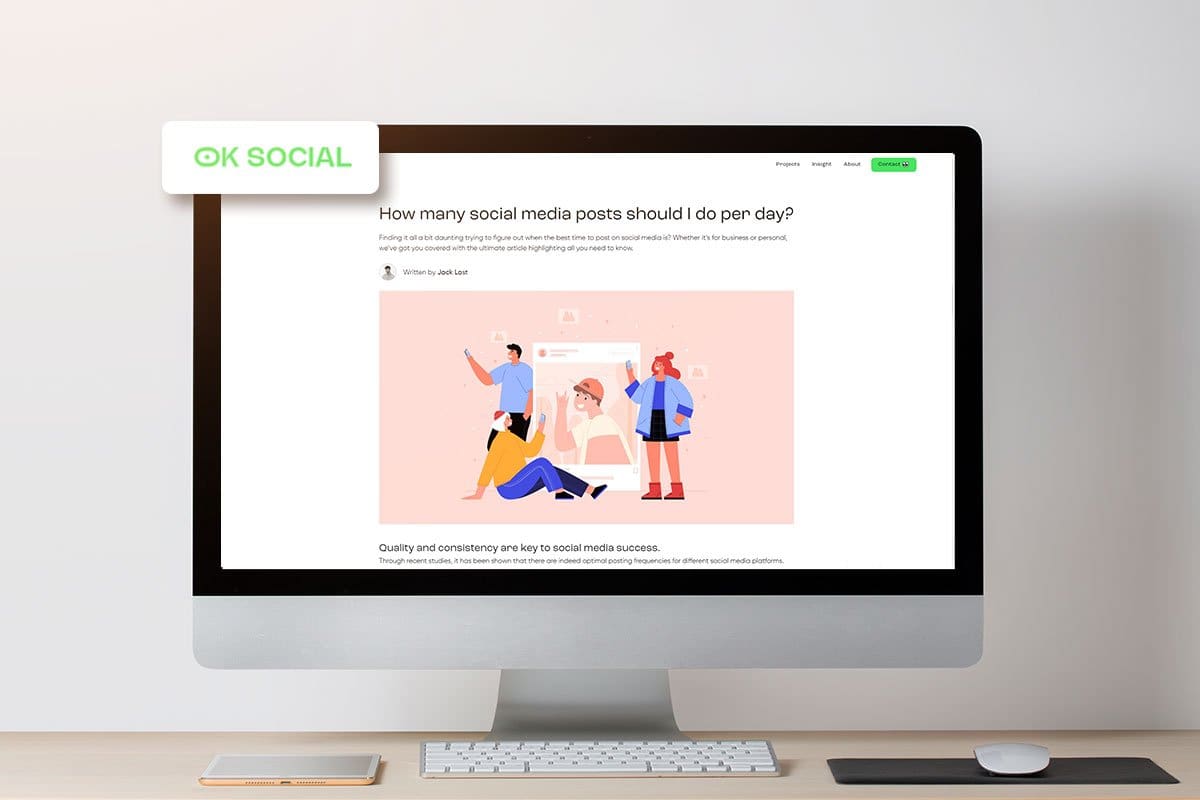
Do you create three Facebook posts per day? How about posting 10 to 25 times on Twitter or Pinterest?
You can grow your business more by following social media best practices. Learn more about ideal posting times and frequencies for each channel.
#33. Repurpose content
Different people like different content formats. Some prefer listening to podcasts while others prefer reading blogs. Most people like either long-form or short-form video. Turn clips into short animated videos, or add presentations to podcast audio to make long-form video.
#34. Grow a podcast through monetization
Growing a podcast or any entertainment business requires careful consideration about how to monetize your offering. You’ll want to consider (and potential partners will want to know):
- How many listeners does a podcast have?
- What makes a good podcast ad placement?
- How much can you make from each monetization strategy?
Some monetization options you might consider include:
- Sell memberships
- Include ads and product placements
- Open an eCommerce store
Check out more ways to grow through monetizing below.
#35. Optimize your podcast growth strategy

Regardless of which strategies you use, there will be a learning curve before you approach the top podcasts by listeners. As you learn more, adjust to what your podcast audience wants while maintaining the integrity of the podcast and your vision for your content.
Keep learning how to grow a podcast
For those who wonder how long it takes to grow a podcast, here’s some perspective: UpFlip released its first podcast on November 6, 2021. In the entrepreneurship category on Apple Podcasts, we currently rank:
- #32 in Canada
- #86 in the UK
- #88 in the U.S.
Despite our high rankings, our podcast listeners hear minimal ads and limited product placements when listening to a podcast episode (I listen to them to share info in the blogs).
What strategies have worked best for you as you learn how to grow a podcast?